
Online only
What does the Budget mean for freelances?
TODAY the Chancellor of the Exchequer - in English, the UK's finance minister - declared that he had delivered “a Budget for the worker, the sole trader, the parent at the school gate, the young person desperate to start their first job or get on to start their own business”. It is nice, and unusual, for freelances to be remembered at such a time. But what has Chancellor John Healey done for freelances?
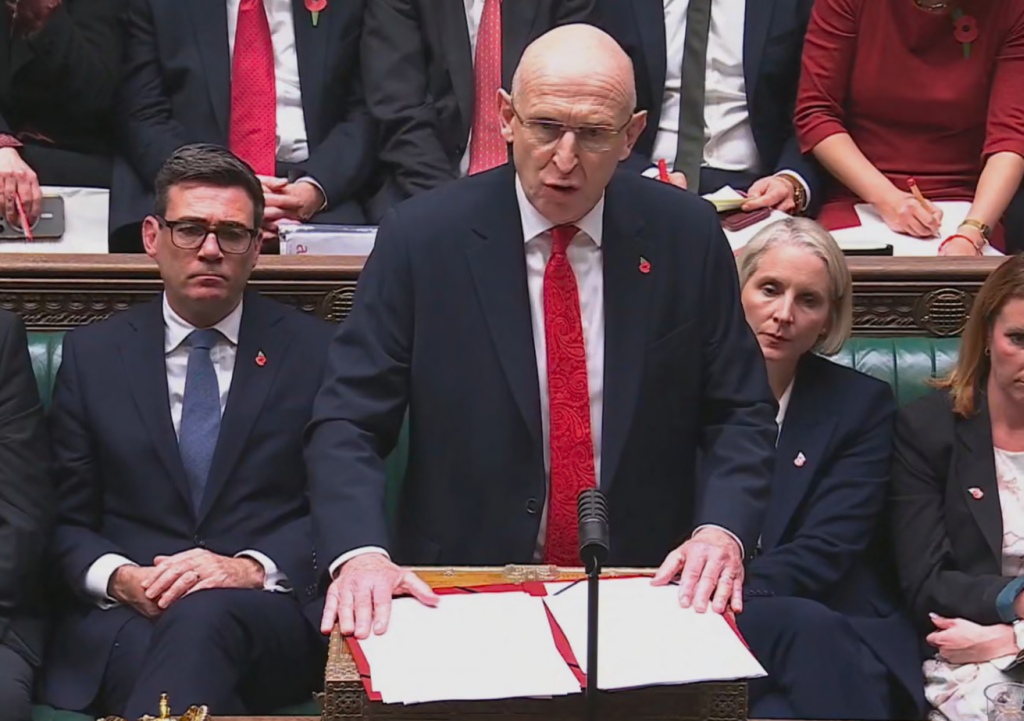
Chancellor of the Exchequer John Healey delivering his Budget speech
Here are the points that appear to the Freelance to be key:
- £100 in hand - labelled as an “energy payment” - if your home is in Council Tax Bands A to D inclusive. It should arrive directly in your bank account. Best check your Council Tax bill, because the central government Council Tax Band checker is a bit busy.
- It is confirmed that from 6 April 2030 the State Pension will rise each year by at least inflation or 2.5 per cent - that is, rises in the earnings of the un-retired will no longer be taken into account and the “triple lock” will become a “double lock”. Income tax allowances will be adjusted so that those with income up to the value of the full new State Pension will not pay income tax.
- Self-employed new fathers and lesbian partners will be entitled to two weeks' paid parental leave at up to £194 a week. Details to come.
- The increase to the rate at which you can claim car mileage against income tax to 55p per mile for your first 10,000 miles a year will stay in place, and the rate for miles above that will increase to 35p.
- From April 2027 eligible founders and early investors of high-growth, innovative companies will benefit from a 10 per cent rate of Capital Gains Tax on lifetime gains of up to £10 million. There is a technical consultation on how this should work. Also, Healey announced “tripling the trading allowance - the amount you can earn from a new venture tax-free – from £1000 to £3000” but we have not yet found details of what the conditions on this will be when it takes effect on 6 April 2027, nor of “a new scale-up programme to support female founders”.
- And, buried very deep in the notes to the speech: “The government will introduce new requirements for taxpayers to correct tax returns and documents where inaccuracies are identified. These will be introduced through legislation in Finance Bill 2026-27 and take effect from 1 April 2028.”
- Similarly, “The government will require taxpayers to set up a direct debit instruction for VAT and PAYE return liabilities from April 2029.”
- “The government will re-establish the Union Learning Fund in England. The scheme will have a budget of £15 million per year from 2027-28 to allocate to projects put forward by unions to support learning and training among workers, supporting upskilling to the changing needs of the economy.”
That's it, as far as we can see.
 Budget speech gov.uk [REDACTED POLITICAL CONTENT]
Budget 2026 in full gov.uk